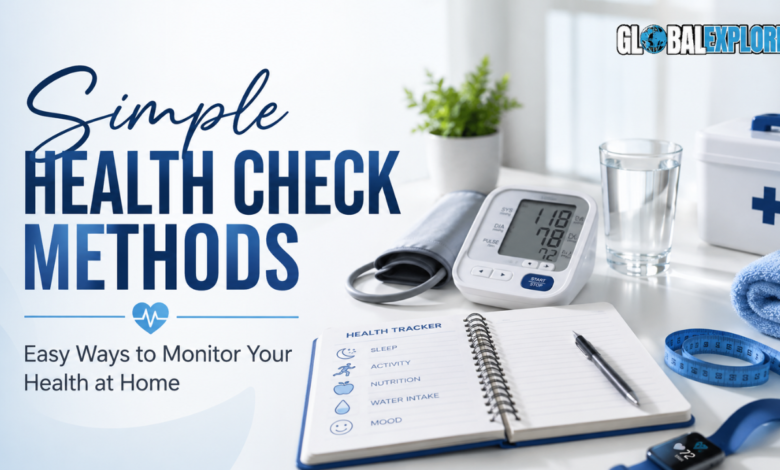
Taking care of your health does not always need to start with a hospital appointment, expensive test, or complicated medical routine. Many useful health habits begin with simple observation: noticing your energy, checking your pulse, measuring your waist, tracking your sleep, or paying attention to changes in your skin, mouth, weight, and breathing.
That is where simple health check methods can help. These are easy, low-cost ways to understand your body better and spot changes early. They are not meant to diagnose disease or replace a doctor, but they can give you helpful information about your general wellbeing.
A good home health check routine is not about worrying over every small symptom. It is about learning your normal patterns, noticing changes, and knowing when something deserves professional advice. When done calmly and consistently, these checks can support better health decisions, better conversations with healthcare providers, and a more active role in your own wellness.
What Are Simple Health Check Methods?
Simple health check methods are basic ways to monitor your body at home using observation, simple tools, or easy measurements. They may include checking your blood pressure, counting your pulse, measuring your waist, watching your skin for changes, noticing sleep quality, or recording symptoms that keep coming back.
These methods are useful because they focus on patterns. A single tired day may not mean much. But feeling unusually tired for several weeks, losing weight without trying, seeing repeated high blood pressure readings, or noticing a new changing mole should not be ignored.
Simple checks can help you answer questions like:
- Is my blood pressure regularly high?
- Has my waist size changed over time?
- Is my resting heart rate different from normal?
- Am I sleeping poorly most nights?
- Do I have new or unusual symptoms?
- Is there a skin, mouth, breast, or testicular change that needs attention?
The goal is not to self-diagnose. The goal is to become more aware of your health and take action early when something seems wrong.
Why Home Health Checks Matter
Many health problems develop slowly. High blood pressure can be present without obvious symptoms. Weight gain around the waist may increase health risk over time. Poor sleep, stress, low activity, and unhealthy eating can build into bigger problems if ignored for months or years.
Simple home checks matter because they help you:
- Understand your normal baseline
- Notice changes earlier
- Track progress after lifestyle changes
- Prepare better information for your doctor
- Avoid ignoring symptoms that keep returning
- Build a healthier daily routine
For example, if you start walking 30 minutes a day, checking your resting heart rate, waist size, energy level, and sleep quality over several weeks may show improvement. If your blood pressure remains high despite lifestyle changes, that record can help your healthcare provider decide what to do next.
Health awareness is powerful when it is balanced. You do not need to check everything every day. In fact, overchecking can create anxiety. The better approach is to choose a few meaningful checks and follow a simple schedule.
Important Safety Note Before You Start
Home health checks are helpful, but they have limits. They cannot confirm or rule out serious medical conditions on their own. A normal home reading does not always mean everything is fine, and an unusual reading does not always mean something dangerous is happening.
Use simple health check methods as a guide, not a final answer.
You should speak to a healthcare professional if:
- A symptom is severe, sudden, or unusual
- A change continues for more than a few weeks
- You find a lump, bleeding, swelling, or unexplained weight loss
- Your blood pressure readings are repeatedly high
- You have chest pain, breathing difficulty, fainting, confusion, or weakness
- You have a family history of serious conditions and are unsure what screening you need
If symptoms feel urgent, seek emergency medical help immediately.
Quick Read: The Most Useful Checks at a Glance
Here is a simple overview of the most useful home health checks:
| Check | What It Helps You Notice | How Often |
| Blood pressure | Heart and circulation risk | As advised, or occasionally if at risk |
| Resting pulse | Heart rate pattern and fitness changes | Weekly or monthly |
| Waist size | Abdominal fat and metabolic risk | Monthly |
| Weight | Weight trends over time | Weekly or monthly |
| Skin check | New or changing moles, rashes, spots | Monthly |
| Oral check | Gum redness, bleeding, sores, mouth changes | Weekly |
| Sleep check | Poor sleep patterns and fatigue | Daily or weekly tracking |
| Hydration check | Fluid balance clues | Daily awareness |
| Mood and stress check | Mental wellbeing patterns | Weekly |
| Self-awareness checks | Breast or testicular changes | Monthly |
The key is consistency. A health check routine works best when you record trends, not when you react to one random number.
Blood Pressure Check
Blood pressure is one of the most useful health measurements because it gives clues about cardiovascular health. High blood pressure is often called a silent problem because many people do not feel symptoms even when their readings are high.
To check blood pressure at home, you need a reliable upper-arm digital blood pressure monitor. Wrist and finger devices can be less reliable for many people, so an upper-arm cuff is usually preferred.
How to Check Blood Pressure Correctly
For a better reading:
- Avoid caffeine, smoking, heavy meals, and exercise for about 30 minutes before checking.
- Sit quietly for five minutes.
- Keep your feet flat on the floor.
- Rest your arm on a table at heart level.
- Place the cuff on bare skin, not over clothing.
- Do not talk during the reading.
- Take two readings a minute or two apart.
- Record the date, time, and result.
One high reading does not always mean you have high blood pressure. Stress, pain, caffeine, exercise, and poor cuff placement can affect results. But repeated high readings should be discussed with a healthcare professional.
What to Record
Write down:
- Systolic number, the top number
- Diastolic number, the bottom number
- Time of day
- How you felt
- Any caffeine, stress, exercise, or medication changes
This makes your results more useful if you need medical advice.
Resting Heart Rate and Pulse Check
Your pulse tells you how many times your heart beats per minute. A resting heart rate can vary depending on age, fitness, stress, temperature, medication, caffeine, hydration, and illness.
How to Check Your Pulse
You can check your pulse at your wrist or neck.
- Sit down and rest for five minutes.
- Place two fingers gently on your wrist below the thumb side.
- Count beats for 30 seconds.
- Multiply by two to get beats per minute.
- Record the number.
Do not use your thumb because it has its own pulse and may confuse the count.
What Changes Matter?
A pulse that is sometimes faster after exercise, stress, or caffeine is normal. What matters more is a repeated change from your usual pattern.
Speak to a healthcare professional if you notice:
- A resting pulse that is repeatedly much higher or lower than usual
- Irregular beats that keep happening
- Palpitations with dizziness, chest pain, fainting, or shortness of breath
- Sudden changes that do not have an obvious reason
Breathing and Oxygen Awareness
You do not need advanced equipment to pay attention to breathing. Simple awareness can tell you whether your breathing feels normal for you.
Ask yourself:
- Am I getting breathless doing activities I normally manage?
- Do I wake up short of breath?
- Do I cough for weeks without improvement?
- Do I wheeze, especially at night or after exercise?
- Do I feel chest tightness?
Some people use a pulse oximeter at home, especially if advised by a healthcare provider. However, oxygen readings can be affected by cold fingers, nail polish, poor circulation, device quality, and improper use. Do not rely only on a device if you feel seriously unwell.
Breathing difficulty, blue lips, chest pain, confusion, or severe weakness should be treated as urgent.
Body Weight, BMI, and Waist Measurement
Weight is useful, but it does not tell the full story. Muscle, water retention, body shape, age, and body composition all matter. That is why weight should be considered alongside waist measurement, lifestyle habits, blood pressure, and overall health.
Weight Tracking
If you track weight, use the same scale, at the same time of day, and under similar conditions. For example, once a week in the morning after using the bathroom.
Avoid checking too often if it makes you anxious. Daily weight changes can happen because of salt intake, water, digestion, hormones, or exercise.
BMI
Body mass index, or BMI, compares weight with height. It can be useful as a rough screening tool, but it is not perfect. It does not directly measure body fat, muscle, or fat distribution. A muscular person may have a higher BMI without having high body fat, while someone with a normal BMI may still carry unhealthy abdominal fat.
Waist Measurement
Waist measurement is often more practical because belly fat can be linked with higher metabolic and heart health risk.
To measure your waist:
- Stand relaxed.
- Find the midpoint between the bottom of your ribs and the top of your hips.
- Wrap a tape measure around your waist.
- Keep it snug but not tight.
- Breathe out normally.
- Record the number.
A simple rule many people use is the waist-to-height idea: your waist should ideally be less than half your height. If your waist size is increasing over time, it may be a sign to review diet, activity, sleep, stress, and medical risk factors.
Skin, Hair, and Nail Checks
Skin can show visible changes that are easy to miss in daily life. A monthly skin check helps you notice new moles, changing marks, sores that do not heal, unusual rashes, or changes in color and texture.
How to Do a Simple Skin Check
Use a mirror and good lighting. Check:
- Face and scalp
- Neck and ears
- Arms and hands
- Chest and back
- Legs and feet
- Between toes
- Under nails
Look for spots that are new, changing, bleeding, itching, crusting, or not healing. A useful guide for moles is the ABCDE idea:
- A for asymmetry: one half looks different from the other
- B for border: uneven or blurred edges
- C for color: multiple colors or unusual dark areas
- D for diameter: growing size
- E for evolving: changing over time
Hair and nails can also offer clues. Sudden hair shedding, brittle nails, nail discoloration, or swelling around nails may be linked to nutrition, stress, thyroid issues, infection, or other causes. These signs do not diagnose anything by themselves, but persistent changes are worth discussing.
Oral Health and Gum Check
Your mouth is part of your overall health. Gum disease, tooth decay, mouth ulcers, and bleeding gums can affect comfort, eating, confidence, and long-term wellbeing.
A simple oral check once a week can include:
- Are gums red, swollen, or bleeding?
- Is there persistent bad breath?
- Do you have mouth ulcers that do not heal?
- Are teeth painful or sensitive?
- Is there a lump, white patch, or red patch in the mouth?
- Does your tongue look unusually coated or sore?
Bleeding gums may happen from brushing too hard, but frequent bleeding can also suggest gum inflammation. A mouth sore that lasts more than two weeks should be checked by a dentist or doctor.
Good daily habits matter: brush twice a day, clean between teeth, reduce sugary snacks, drink enough water, and visit a dental professional as advised.
Hydration and Urine Color Check
Hydration affects energy, concentration, digestion, skin, and physical performance. One simple clue is urine color.
Pale yellow urine often suggests good hydration. Very dark urine may suggest you need more fluids, especially after sweating, hot weather, or exercise. However, urine color can also be affected by vitamins, foods, medicines, and medical conditions.
Do not judge hydration by urine color alone. Also notice:
- Thirst
- Dry mouth
- Headache
- Dizziness
- Fatigue
- Reduced urination
- Very strong-smelling urine
If you have kidney disease, heart disease, or have been told to restrict fluids, follow medical advice rather than general hydration tips.
Sleep, Energy, and Mood Tracking
Health is not only about numbers. Sleep, energy, stress, and mood are important signals. Many people ignore these because they seem normal in a busy life, but long-term poor sleep and stress can affect appetite, blood pressure, activity, concentration, and emotional wellbeing.
Simple Sleep Check
Track these questions for one or two weeks:
- How many hours did I sleep?
- Did I wake up often?
- Did I wake up refreshed?
- Did I snore loudly or wake up gasping?
- Did I feel sleepy during the day?
- Did caffeine, screens, stress, or late meals affect my sleep?
Poor sleep for a few nights is common. But ongoing poor sleep, loud snoring with daytime sleepiness, or waking up short of breath should be discussed with a healthcare professional.
Mood and Stress Check
Once a week, ask:
- Have I felt unusually low, anxious, angry, or overwhelmed?
- Have I lost interest in things I usually enjoy?
- Am I avoiding people?
- Am I using alcohol, food, or screens to cope more than usual?
- Do I feel rested after breaks?
Mental health is health. If low mood, anxiety, or stress is affecting daily life, work, sleep, relationships, or safety, it is important to seek support.
Breast and Testicular Self-Awareness
Self-awareness checks are not about panic. They are about knowing what is normal for your body so you can notice changes.
Breast Awareness
People with breast tissue should be aware of changes such as:
- New lump or thickened area
- Change in size or shape
- Skin dimpling
- Nipple discharge
- Nipple turning inward
- Redness, rash, or swelling
- Persistent pain in one area
Breasts can naturally change during menstrual cycles, pregnancy, breastfeeding, menopause, and weight changes. Still, a new or unusual change should be checked.
Testicular Awareness
People with testicles should know how their testicles normally feel. Watch for:
- A lump
- Swelling
- Heaviness
- Change in size or shape
- Persistent ache or pain
- A testicle feeling different than before
A warm shower can make checking easier because the scrotal skin relaxes. If you find a change, contact a healthcare professional. Many changes are not cancer, but they should still be checked.
Home Medical Test Kits
Home medical tests are becoming more common. Some give immediate results at home, while others involve collecting a sample and sending it to a lab. Examples may include pregnancy tests, blood glucose tests, infectious disease tests, cholesterol tests, stool blood tests, or other screening kits.
Home test kits can be useful, but they must be used carefully.
Before Using a Home Test Kit
Check:
- Is the test from a reliable provider?
- Is it approved or regulated in your country?
- Are the instructions clear?
- Is the test expired?
- Do you understand what a positive, negative, or unclear result means?
- Do you need follow-up testing?
A negative result does not always rule out a condition. A positive result may need confirmation. Some tests also have timing windows, meaning testing too early can give misleading results.
Use home medical tests as a tool, not a final diagnosis.
How Often Should You Do Simple Health Checks?
There is no perfect schedule for everyone. Your age, health history, family history, lifestyle, symptoms, and existing conditions all matter.
Here is a practical routine for many adults:
Daily Awareness
You do not need formal testing every day, but notice:
- Energy level
- Hydration
- Breathing
- Pain
- Mood
- Sleep quality
- Any sudden symptoms
Weekly Checks
Once a week, consider checking:
- Weight, if useful for your goals
- Sleep pattern
- Mood and stress
- Oral health
- Activity level
- Medication or supplement routine, if relevant
Monthly Checks
Once a month, consider:
- Waist measurement
- Skin check
- Breast or testicular awareness check
- Resting heart rate trend
- Review of symptoms that did not go away
Occasional or As-Advised Checks
Blood pressure may be checked more often if you have high blood pressure, diabetes, kidney disease, heart risk, pregnancy-related concerns, or medical advice to monitor it. If you are generally healthy, you may only need occasional checks or checks during routine appointments.
Cholesterol, blood sugar, cancer screenings, eye exams, dental exams, and vaccinations should follow professional guidance based on your age and risk.
When to Contact a Healthcare Professional
Simple health check methods are most useful when you know when to act. Contact a healthcare professional if you notice:
- Repeated high blood pressure readings
- Chest pain or pressure
- Shortness of breath
- Fainting or severe dizziness
- Sudden weakness, facial drooping, or speech trouble
- Unexplained weight loss
- A new lump
- Blood in stool, urine, vomit, or coughing
- A mole or skin spot that changes, bleeds, or does not heal
- Ongoing fever, night sweats, or fatigue
- Persistent stomach pain or bowel changes
- Severe headache unlike usual headaches
- Mood changes that affect daily life
- Symptoms that last more than a few weeks
Do not wait for a home check to confirm something serious. If a symptom feels urgent, get help immediately.
How to Track Your Health Without Becoming Anxious
A helpful health routine should make you feel informed, not frightened. The best way to avoid overthinking is to track only what is useful.
Try this simple method:
- Choose three to five checks that match your needs.
- Record them in a notebook or phone note.
- Use the same method each time.
- Look for trends over weeks, not minute-by-minute changes.
- Avoid checking repeatedly when anxious.
- Share concerning trends with a healthcare professional.
For example, someone with a family history of heart disease may track blood pressure, waist size, activity, sleep, and cholesterol appointments. Someone focused on general wellness may track sleep, hydration, mood, weight, and skin checks.
The best routine is the one you can maintain calmly.
Practical Example: A Simple Monthly Health Routine
Here is an easy routine many readers can follow:
Week 1: Check waist measurement, weight trend, and activity habits.
Week 2: Do a skin check and oral health check.
Week 3: Review sleep, energy, stress, and mood.
Week 4: Check pulse, update health notes, and list any symptoms that have not improved.
If you use a blood pressure monitor, add readings as advised. If you have a long-term condition, follow your clinician’s plan first.
This simple routine keeps health awareness manageable. It avoids the mistake of checking everything every day and still helps you notice important changes.
Frequently Asked Questions
What are the easiest simple health check methods at home?
The easiest simple health check methods include checking your pulse, monitoring blood pressure if you have a device, measuring waist size, tracking weight trends, checking skin changes, noticing sleep quality, reviewing hydration, and paying attention to energy and mood changes.
Can simple health check methods replace a doctor visit?
No. Home checks can support awareness, but they cannot replace professional medical evaluation, lab testing, diagnosis, or treatment. They are best used to track patterns and decide when to seek advice.
How often should I check my blood pressure at home?
If you have high blood pressure or have been advised to monitor it, follow your healthcare provider’s instructions. If you are generally healthy, you may not need frequent home checks. Occasional checks or pharmacy/clinic checks may be enough unless you have risk factors.
What is the best health check for early warning signs?
There is no single best check. Blood pressure, waist measurement, skin checks, self-awareness checks, sleep tracking, and symptom tracking all reveal different types of information. The best approach is a balanced routine that matches your age, risk, and health goals.
Are home medical test kits reliable?
Some home test kits can be useful, especially when they are approved, used correctly, and followed up properly. However, results can be affected by timing, sample quality, instructions, and test limitations. Positive, unclear, or concerning results should be discussed with a healthcare professional.
When should I worry about a health change?
You should not panic over every small change, but you should seek advice for symptoms that are severe, sudden, unexplained, worsening, or lasting more than a few weeks. New lumps, chest pain, breathing difficulty, fainting, blood loss, unexplained weight loss, or changing skin spots should be taken seriously.
Conclusion
Simple health check methods are a practical way to stay more aware of your body without making health feel complicated. By checking things like blood pressure, pulse, waist size, skin changes, oral health, hydration, sleep, mood, and unusual symptoms, you can understand your normal patterns and notice changes earlier.
The most important point is balance. Home checks should support your health, not create fear. They are not a replacement for medical care, but they can help you take better notes, ask better questions, and seek help at the right time.
A simple routine done consistently is more valuable than a complicated routine you cannot maintain. Start with a few checks, track trends calmly, and speak to a healthcare professional whenever something feels unusual, persistent, or worrying.
If you enjoyed this article, read more about Key Legal Areas Often Connected With CNLawBlog
Updated: June 2026
Globalexplore.co.uk