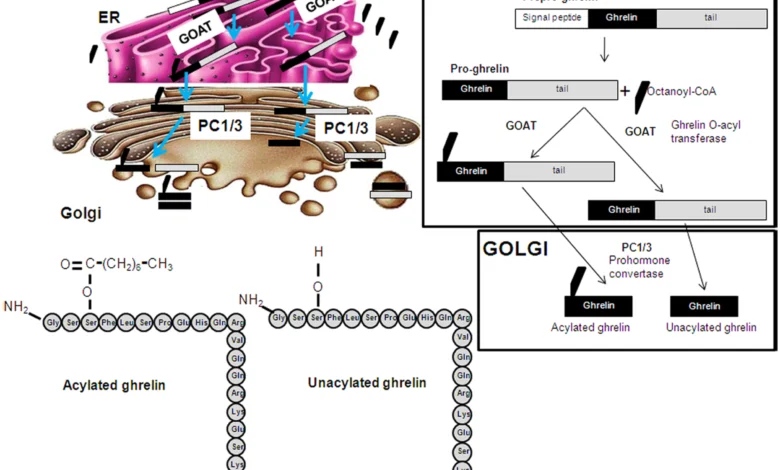
Understanding the nuances between Hexarelin and Ghrelin is crucial for researchers and clinicians focused on growth hormone (GH) release. These peptides, although related, demonstrate distinct mechanisms and effects that could influence clinical decisions. This article will explore the differences between Hexarelin and Ghrelin, their mechanisms of action, benefits, potential side effects, and considerations for choosing the right peptide for enhancing growth hormone release.
Differences Between Hexarelin and Ghrelin
Hexarelin is a synthetic peptide known for its potent growth hormone-releasing properties, while Ghrelin is a naturally occurring peptide hormone in the body. Hexarelin is often studied in the context of an Investigational New Drug (IND) Application, as its properties are explored for clinical potential. Ghrelin, on the other hand, plays a role in hunger regulation and energy balance. Researchers have noted that Hexarelin has a longer half-life, making it potentially more effective in sustained GH release compared to Ghrelin. Importantly, the use of Hexarelin Peptide has garnered attention in recent studies.
One key distinction lies in their receptor interactions. Hexarelin targets the growth hormone secretagogue receptor (GHSR), which is also the primary receptor for Ghrelin. However, Hexarelin’s synthetic nature allows for stronger and more selective binding. This difference may contribute to Hexarelin’s ability to produce a more pronounced release of growth hormone. Moreover, Hexarelin has been a subject in various Randomized Controlled Trials (RCTs) aimed at understanding its therapeutic implications.
In terms of research applications, Hexarelin is frequently used in Biomarker Discovery due to its potent effects on growth hormone levels, whereas Ghrelin is often studied for its broader physiological roles, including appetite regulation and metabolic processes.
Mechanisms of Growth Hormone Release
The mechanisms by which these peptides stimulate growth hormone release are rooted in their interaction with the GHSR. Hexarelin, due to its synthetic design, has a high affinity for this receptor, leading to a robust stimulation of GH release. This mechanism is pivotal in Translational Medicine, as understanding these interactions can lead to innovative therapeutic applications.
Ghrelin’s role is more complex, as it not only binds to GHSR but also influences other pathways related to appetite and metabolism. Its dual role in stimulating GH release and regulating energy homeostasis makes it a critical focus in studies involving Longitudinal Study Design, particularly those examining metabolic disorders over time.
Both peptides have demonstrated the ability to enhance GH release, but the potency and duration of Hexarelin’s effects are often emphasized in Clinical Trial Management Systems (CTMS) due to its synthetic nature and targeted action.
Benefits and Side Effects of Hexarelin and Ghrelin
The benefits of Hexarelin include its ability to significantly increase GH levels, which can be advantageous in conditions requiring GH therapy. However, its side effects, such as potential cardiovascular impacts, must be closely monitored. This is where the role of a Data Safety Monitoring Board (DSMB) becomes critical, ensuring that any adverse events are promptly reported and addressed.
Ghrelin, while naturally occurring, can lead to side effects such as increased appetite and possible metabolic complications if manipulated for GH release. The Informed Consent Process is crucial when involving human subjects in studies to ensure they understand these potential risks and benefits.
Both peptides have their place in the realm of Research Ethics Committees (REC), which evaluate their use in clinical trials, ensuring adherence to Good Clinical Practice (GCP) and ethical standards.
Choosing the Right Peptide for Growth Hormone Release
When selecting between Hexarelin and Ghrelin for research or therapeutic purposes, several factors must be considered. Hexarelin Peptide, for instance, may be favored for its potent and sustained GH release, especially in clinical settings requiring precise pharmacokinetic (PK) profiles. Researchers interested in its application can find more detailed information on the Hexarelin Peptide product page.
On the other hand, Ghrelin’s natural role in the body makes it an attractive option for studies focused on metabolic disorders and appetite regulation. The choice often depends on the specific goals of the research, whether it is to explore therapeutic potentials or to understand the broader physiological effects.
Ultimately, understanding the specific research context, such as the need for Patient Reported Outcomes (PROs) or the focus on Protocol Deviations, can influence the decision between these two peptides.
Conclusion
Hexarelin and Ghrelin offer distinct pathways for growth hormone release, each with unique advantages and limitations. For researchers and clinicians, comprehending these differences is vital for selecting the appropriate peptide for their specific needs. As research continues, these peptides may unlock new possibilities for therapeutic interventions and a deeper understanding of growth hormone dynamics.
Also Read: Abithelp Tablets