Selective Androgen Receptor Modulators (SARMs) have emerged as a prominent subject of research, particularly in the realm of hormonal balance and muscle growth. Among these, RAD 140 has garnered attention for its potential to influence testosterone levels. This article delves into the specifics of SARMs, with a focus on evaluating whether RAD 140 can indeed increase testosterone levels. By understanding the mechanisms and conducting methodical research, one can gain insights into the efficacy and safety of RAD 140 for potential therapeutic use.
SARMs and Their Role in Hormonal Balance
SARMs are compounds that selectively bind to androgen receptors in the body, offering the potential for muscle growth and hormonal regulation without the side effects associated with traditional anabolic steroids. A key term in SARM research is the Institutional Review Board (IRB), which ensures that research involving human subjects complies with ethical standards and protects participants’ rights and welfare.
The role of SARMs in hormonal balance is linked to their ability to mimic the effects of testosterone, potentially enhancing muscle mass and reducing fat. Good Laboratory Practice (GLP) guidelines are critical in SARM studies, ensuring the accuracy and reliability of laboratory testing and data collection. These practices are essential for validating the effects of SARMs on hormonal levels. Furthermore, SARMs like RAD 140 are explored for their potential in treating conditions like muscle wasting and osteoporosis. However, the implications of their use on testosterone levels, including whether Does Rad 140 Increase Testosterone, require rigorous investigation through well-designed studies that adhere to GLP standards.
Investigating the Impact of RAD 140 on Testosterone Levels
To determine whether RAD 140 increases testosterone, researchers employ various methodologies. One approach is the use of randomized controlled trials (RCTs), which are considered the gold standard in clinical research for establishing causality and efficacy. These trials can provide definitive answers by comparing RAD 140’s effects with a placebo group.
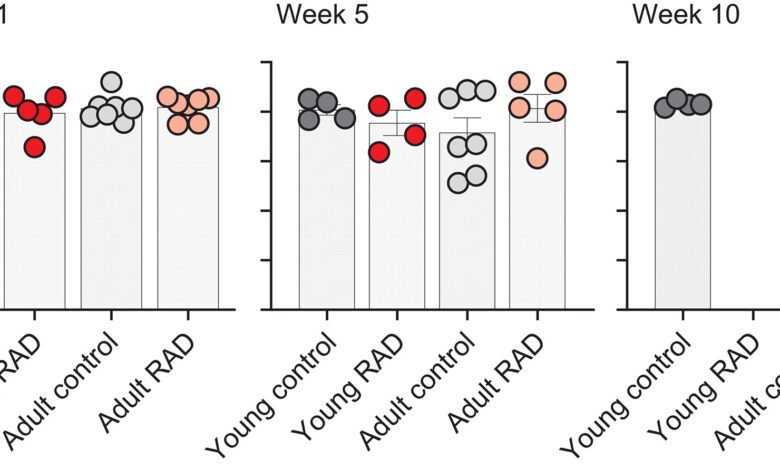
In a recent study, researchers utilized a Clinical Trial Management System (CTMS) to streamline the management of data collected during trials. This system ensures accurate monitoring and reporting of results, contributing to the overall reliability of the research findings. Notably, the question of Does Rad 140 Increase Testosterone remains a focal point, as some studies indicate potential increases in hormonal levels, while others call for more detailed investigations.
Biostatistics play a crucial role in analyzing the data derived from these studies, helping researchers understand the statistical significance and practical implications of their findings. By employing robust biostatistical methods, researchers can more accurately assess RAD 140’s impact on testosterone levels.
Comparative Analysis: RAD 140 vs Other SARMs
Comparing RAD 140 with other SARMs involves examining both their efficacy and side effect profiles. A double-blind study, where neither the researchers nor the participants know who receives the treatment or placebo, can provide unbiased insights into the comparative effects of different SARMs on testosterone levels.
For instance, a Cohort Study might track individuals using RAD 140 alongside those using other SARMs over a specified period. Such studies can help identify any unique benefits or risks associated with RAD 140, as well as its relative effectiveness in promoting hormonal balance compared to its counterparts.
Investigational New Drug (IND) applications are often required to conduct such studies, ensuring that the research meets regulatory standards and that the safety of participants is prioritized. The results from these comparative analyses are vital for making informed decisions about the use of RAD 140 in clinical settings.
Guidelines for Conducting Safe and Effective SARM Research
Conducting SARM research requires adherence to comprehensive guidelines to ensure both safety and effectiveness. The Data Safety Monitoring Board (DSMB) plays a pivotal role in overseeing clinical trials, ensuring that any adverse events are promptly reported and addressed through Adverse Event Reporting protocols.
Additionally, informed consent documents (ICDs) are essential, providing participants with a clear understanding of the research process, potential risks, and benefits. Such documents are a cornerstone of ethical research practice, ensuring participants voluntarily consent to partake in the study.
A Laboratory Information Management System (LIMS) can enhance research efficiency by managing data, samples, and associated information systematically. This system supports high-quality research outcomes by ensuring accurate data management and accessibility throughout the study.
Conclusion
Evaluating RAD 140’s impact on testosterone levels requires a meticulous approach grounded in robust research methodologies and ethical standards. Through the use of RCTs, biostatistical analysis, and adherence to GLP, researchers can uncover valuable insights into RAD 140’s efficacy. For those considering the potential of RAD 140, understanding its comparative effectiveness and adhering to research guidelines are paramount for informed decision-making in medical research.
Also Read: Emily Nowell