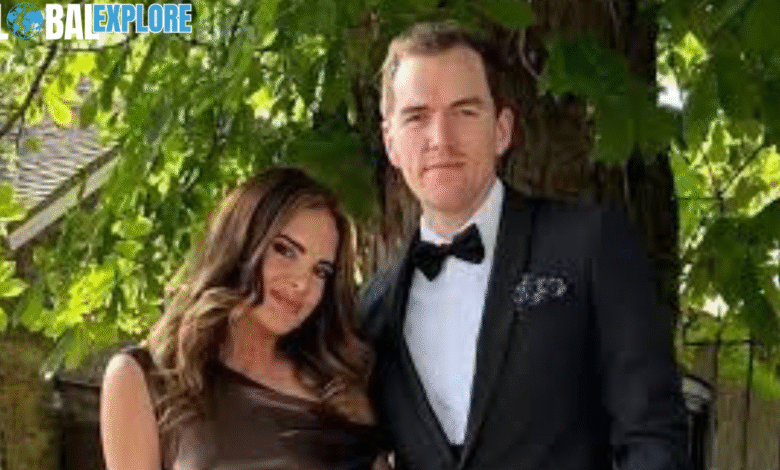
Max Fredrik Darnton is a name steadily gaining recognition in the UK’s social and media circles. Known for his connection with reality TV star Louise Thompson, Max has been thrust into the public eye not only as a partner but also as a professional with a distinct career trajectory. While his relationship initially sparked curiosity among fans of Made in Chelsea, deeper interest quickly grew around his personal achievements, background, and professional life.
Max embodies the blend of privacy and public intrigue that often surrounds emerging figures in media-focused circles. Unlike celebrities who thrive solely on fame, Max’s recognition stems from a combination of professional accomplishments and his association with public personalities. This dual identity has led to growing media coverage, highlighting both his personal and professional milestones.
Beyond relationships and media attention, Max Fredrik Darnton has shown a capacity for balancing public interest with personal growth. His life story offers a glimpse into a modern individual navigating the overlapping worlds of personal ambition and public curiosity. By examining his early life, career, family, and future plans, we can better understand why he is becoming a figure of interest in both professional and social domains.
With an increasing fan base and heightened media attention, Max Fredrik Darnton’s story provides a compelling mix of personal charm and professional acumen. His journey reflects contemporary societal fascination with individuals who straddle personal privacy and public recognition.
Early Life and Background
Childhood and Upbringing
Max Fredrik Darnton was born into a family that valued both education and personal development. While details of his early years remain relatively private, sources suggest he grew up in a supportive and nurturing environment that encouraged ambition and self-expression. His upbringing appears to have provided him with the tools to navigate both professional spaces and the public eye with confidence.
The formative years of any individual significantly influence their future ambitions, and Max’s early life was no exception. Growing up, he was reportedly exposed to diverse experiences that broadened his perspective and fostered a curious, ambitious mindset. These early experiences likely contributed to the composure and professionalism he displays today, especially when balancing media attention with personal life.
Family influence played a crucial role in shaping Max’s values. While he has maintained a degree of privacy about his parents and siblings, it is evident that a supportive familial structure gave him the foundation to pursue both personal and professional goals. Such stability during formative years is often a key factor in developing resilience and self-confidence, traits that Max clearly demonstrates in his public appearances and professional interactions.
In essence, Max Fredrik Darnton’s childhood was marked by a balance of guidance, opportunity, and encouragement. These factors laid the groundwork for his future pursuits and ability to engage with public attention while maintaining his personal identity.
Education and Academic Achievements
Education has been an integral part of Max Fredrik Darnton’s development. Although specific details about the schools and universities he attended are not widely publicised, his academic journey is known to have been one of dedication and focus. Education equipped him with the critical thinking skills and professional competencies that underpin his current career pursuits.
Max’s academic achievements are complemented by his early interests in areas that aligned with his career ambitions. By combining practical skills with formal education, he cultivated a strong foundation that allowed him to approach professional challenges with strategic insight. His educational background reflects a commitment to personal growth and a willingness to invest in knowledge as a tool for success.
Moreover, Max’s time in education likely nurtured key relationships and networks that contributed to his professional journey. Schools and universities often serve as critical launching pads for careers, offering opportunities for mentorship, collaboration, and exposure to diverse perspectives. For Max, these experiences may have shaped not only his career choices but also his approach to personal development and public engagement.
In summary, Max Fredrik Darnton’s education has played a significant role in shaping his capabilities, outlook, and eventual path to recognition. It provided the essential tools and experiences that continue to influence his professional and personal life today.
Professional Career and Achievements
Entry into the Professional World
Max Fredrik Darnton’s professional journey began with roles that allowed him to develop practical skills and industry insights. While he initially worked in less-publicised positions, these early experiences were vital in shaping his understanding of professional dynamics and business operations. They laid the groundwork for the more prominent roles he would take on later in his career.
The beginning of any career is often marked by trial and learning, and Max’s entry into the professional world reflects this reality. He reportedly embraced opportunities that challenged him to grow while also honing his personal and technical skills. By actively engaging in roles that required both dedication and adaptability, he built a solid foundation for future professional success.
Max’s early career also highlights his ability to navigate work environments that require both individual initiative and collaborative effort. These experiences not only expanded his skill set but also helped him cultivate a professional identity that balances competence with charisma—a combination that would later contribute to his media recognition.
Career Progression and Milestones
Over time, Max Fredrik Darnton advanced into positions of increasing responsibility and visibility. Key milestones in his career demonstrate both ambition and strategic thinking, reflecting a deliberate approach to professional growth. From early roles to more senior positions, Max has consistently shown the ability to leverage his skills to achieve tangible outcomes.
Career progression for Max has been shaped not just by talent but also by a willingness to embrace challenges and learn from each experience. Milestones in his professional life often coincide with moments of personal development, illustrating the interconnectedness of his work ethic and personal growth.
Through consistent performance and strategic engagement, Max has established himself as a professional capable of balancing high expectations with adaptability. These qualities have not only bolstered his career but also contributed to a growing public profile, as media and fans take notice of his professional accomplishments alongside his personal life.
Business Ventures and Professional Impact
Max Fredrik Darnton’s career has included involvement in various projects and ventures that demonstrate both initiative and foresight. His professional activities extend beyond traditional employment, encompassing entrepreneurial and collaborative efforts that showcase a commitment to innovation and growth.
By engaging in business ventures, Max has highlighted his ability to identify opportunities and execute them effectively. These projects not only enhance his professional reputation but also contribute to his financial stability and public image. His impact within his professional circles is marked by recognition for both competence and reliability.
Moreover, Max’s work illustrates a broader understanding of market dynamics and social influence. Whether through collaborations, business initiatives, or professional networking, he has successfully navigated the complexities of modern professional life, demonstrating skills that resonate across multiple sectors.
Personal Life and Relationships
Relationship with Louise Thompson
Max Fredrik Darnton gained significant public attention due to his relationship with reality TV star Louise Thompson. Their partnership, which has been covered extensively by media outlets, highlights the intersection of private life and public curiosity. From dating to marriage and family life, their journey has captivated audiences and amplified Max’s visibility.
The couple’s relationship is often described as supportive and grounded, with both individuals maintaining a balance between public appearances and private moments. Media coverage has focused on key milestones, including their engagement and parenthood, reflecting broader public fascination with celebrity relationships.
Max’s relationship with Louise has also introduced him to new social circles and professional opportunities. Public interest in their partnership has created avenues for collaboration, appearances, and influence, illustrating how personal relationships can intersect with professional visibility.
Fatherhood and Family Life
Fatherhood has brought a new dimension to Max Fredrik Darnton’s life. As a parent, he navigates the challenges and joys of raising children while balancing professional commitments and media attention. Insights into his parenting style suggest a hands-on, nurturing approach that prioritises family values and stability.
Family life has become a central aspect of Max’s identity, influencing both daily routines and long-term priorities. His role as a father complements his public persona, portraying him as responsible, grounded, and relatable to a broader audience.
Lifestyle, Hobbies, and Interests
Outside professional and family life, Max Fredrik Darnton engages in various hobbies and lifestyle activities that reflect personal interests and values. Fitness, travel, and leisure pursuits form an integral part of his routine, contributing to a well-rounded personal identity.
His lifestyle choices also align with broader public perceptions of modern, successful individuals who balance career, family, and personal enrichment. This combination of interests adds depth to his public persona and resonates with fans seeking relatable yet aspirational figures.
Net Worth, Financial Profile, and Future Plans
Max Fredrik Darnton’s net worth reflects a combination of career earnings, business ventures, and media-related opportunities. While precise figures remain private, estimates indicate financial stability, supported by strategic investments and income diversification.
Looking ahead, Max shows a clear focus on professional growth, family priorities, and personal development. His future plans suggest a continued presence in professional circles, alongside maintaining a balanced, fulfilling personal life.
Conclusion
Max Fredrik Darnton represents a compelling blend of professional ambition, personal integrity, and public curiosity. From his early life and educational foundation to his evolving career, family life, and public image, Max has demonstrated resilience, strategic thinking, and adaptability. As he continues to grow in visibility and influence, his journey remains one to watch, reflecting both the opportunities and complexities of modern life in the public eye.
frequently asked questions
Who is Max Fredrik Darnton?
Max Fredrik Darnton is a UK-based professional and public figure known for his relationship with Louise Thompson and his own career achievements.
What does Max Fredrik Darnton do for a living?
He is involved in professional and entrepreneurial ventures, balancing career responsibilities with media-related opportunities.
How did Max Fredrik Darnton meet Louise Thompson?
Details of their initial meeting are private, but their relationship gained public attention through media coverage of Made in Chelsea.
What is Max Fredrik Darnton’s net worth?
Estimates suggest a stable net worth derived from career earnings, business ventures, and collaborations, though exact figures are private.
Does Max Fredrik Darnton have children?
Yes, he is a father and actively participates in parenting alongside his professional commitments.
Is Max Fredrik Darnton active on social media?
He maintains a selective social media presence, engaging with followers while protecting his privacy.
Where is Max Fredrik Darnton from?
He is based in the United Kingdom, though detailed information about his hometown is limited.
What are Max Fredrik Darnton’s key achievements?
Professional milestones, business ventures, and personal life accomplishments, including family life and media recognition, form the core of his achievements.
What is known about his career background?
He began in early professional roles, progressively advancing into business ventures and positions of influence.
What is next in Max Fredrik Darnton’s professional life?
Future plans indicate continued professional growth, public visibility, and balancing family priorities.
Also Read: alfie buttle